

Abstract
- Recovery after a run begins within the first 30 minutes: cool down at a relaxed pace, drink some water, and eat a combination of carbohydrates and protein.
- Sleep is the most powerful tool: 7–9 hours a night are more effective than any recovery gadget.
- Active recovery (light walking, biking, Mobility) is usually more helpful after intense workouts than complete rest.
- Cold baths, compression, and foam rolling are useful additions—but they are no substitute for sleep, nutrition, and training management.
Recovery After Running: How to Recover Faster After Running Workouts and Races
The best way to recover after a run isn’t a single “miracle” solution, but rather a series of simple habits: cool down with a light jog, replenish fluids and nutrients within the first hour, get enough sleep, and manage your training load wisely. Those who master these basics recover measurably faster—and tools like cold baths, compression gear, or foam rollers provide the icing on the cake.
In this guide, you’ll find a clear step-by-step plan: what to do in the first few minutes after your run, what matters that same evening, and what steps to take after a race or a particularly tough workout that can make all the difference. Everything is practical, free of myths, and based on an honest assessment of what the research actually shows.
Why Your Body Needs to Recover After Running
When you run, tiny micro-tears form in your muscles, your glycogen stores (the sugar reserves in your muscles and liver) are depleted, and you lose fluids and electrolytes through sweat. The workout itself doesn’t make you fitter—that happens during the recovery phase, when your body repairs, replenishes, and adapts to the stress. That’s exactly why recovery isn’t a luxury, but rather the part of training where performance improvements actually take place.
Typical muscle soreness (DOMS) often doesn’t set in until 12–24 hours after exercise and usually peaks after 24–72 hours. Running downhill in particular—which involves many decelerating (eccentric) contractions—leads to more pronounced muscle soreness. This is normal and no cause for concern—but it is a sign that you should plan your next intense workout wisely.
The First 30 Minutes: Your Recovery Window
Right after your run, that's when you set the stage for how well your recovery will go. These four steps take hardly any time and have the greatest impact:
1. Ease off gradually instead of stopping abruptly
Five to ten minutes of very slow jogging or brisk walking gently brings your heart rate back down. While a short cool-down doesn’t measurably reduce muscle soreness, it helps many runners feel better more quickly and sets the stage for recovery.
2. Rehydration – Fluids and Electrolytes
When you sweat, you lose water and minerals—especially sodium. After your run, drink gradually throughout the day—a rough guideline is to replenish the fluids you’ve lost by evening. After long or very strenuous runs, it’s fine for your drink to contain a little sodium. The color of your urine is a simple everyday indicator: light yellow is a good sign.
3. Combine carbohydrates and protein
To replenish depleted glycogen stores and kickstart muscle recovery, a meal consisting of carbohydrates plus some protein is ideal. After a normal workout, your next regular meal is perfectly sufficient. Only when there’s little time between two workouts—such as during a competition block or when running twice a day—is it worth eating right after your run to replenish your stores more quickly.
4. Gentle Mobilization Instead of Intense Stretching
Static stretching immediately after a run does not prevent muscle soreness. It makes more sense to do gentle mobility exercises for the hips, calves, and upper back, which relieve tension and improve your sense of well-being.
Active vs. Passive Recovery: Which Is More Effective?
After particularly tough workouts, doing nothing can be tempting—but active recovery is often the better choice. A leisurely walk, a relaxed bike ride, a light swim, or a quiet stroll keep your blood flowing and can promote recovery without adding new strain. The key is the intensity: active recovery should be truly low-key—you should be able to hold a conversation without any trouble.
Passive rest has its place when you’re sick, injured, or completely exhausted. As a general rule: Opt for active recovery on easy days, and take a full day of rest if you notice any real warning signs (persistent exhaustion, pain, poor sleep).
An Overview of Regeneration Measures
Not every method is equally effective. The following table ranks common interventions according to effort and realistic benefits—based on the available research, as summarized, for example, in the meta-analysis by Dupuy et al. (2018, Frontiers in Physiology).
| Action | Effort | Real-world benefits |
|---|---|---|
| Sleep (7–9 hours) | Low | Very high—the most effective measure of all |
| Nutrition & Hydration | Low | High – fills storage, starts repair |
| Active Recreation | Low | Moderate to high after intense workouts |
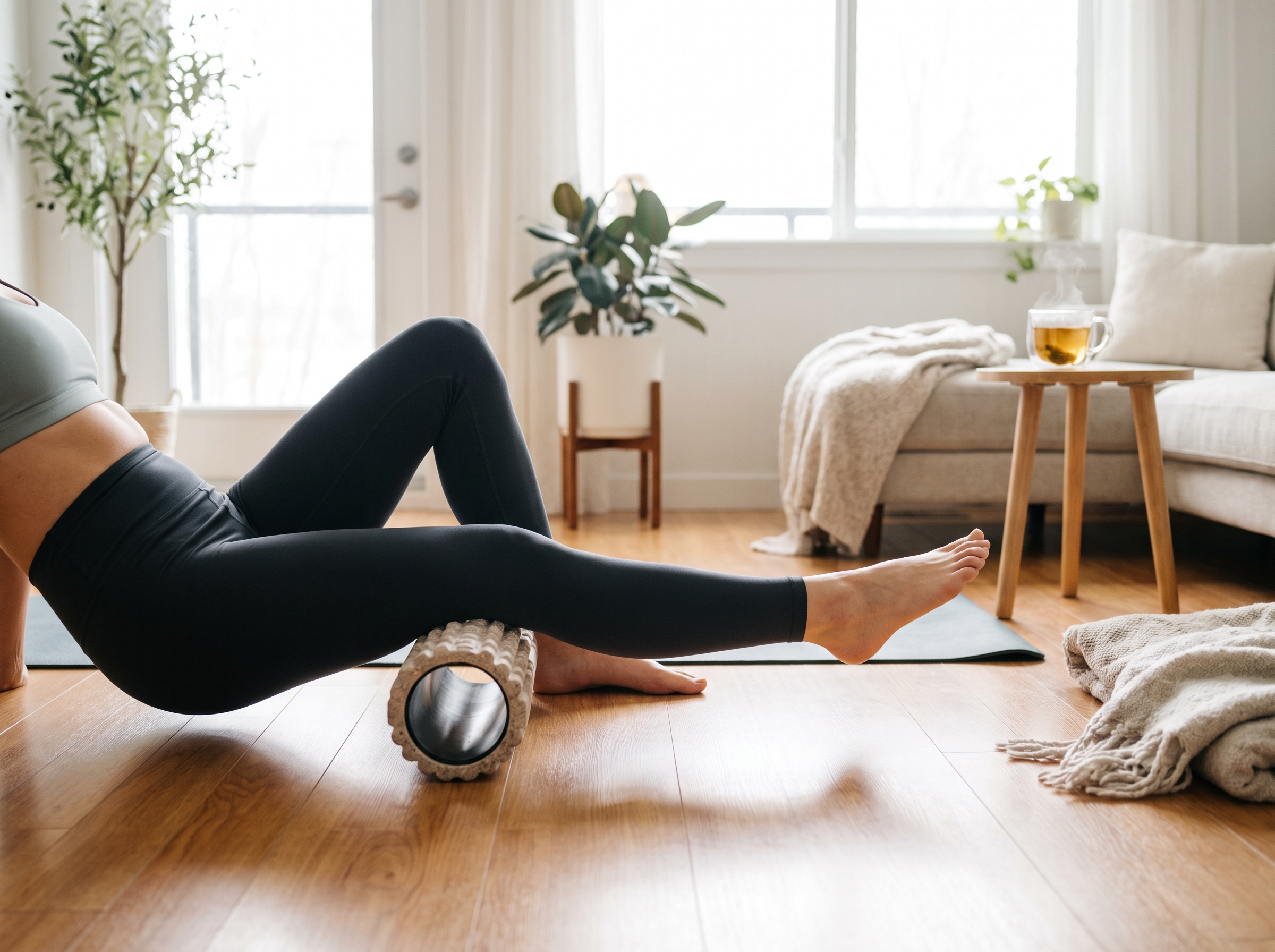
| Fascia Roller / Massage | Medium | Product – relieves perceived muscle soreness |
| Compression (stockings / boots) | Medium | Moderate – pleasant, promotes a sense of relaxation |
| Cold Bath / Ice Bath | Higher | Remedies for sore muscles—not to be used immediately after strength training sessions aimed at building muscle |
Sleep: The Underestimated Performance Booster
If there’s one thing you should improve, it’s your sleep. During deep sleep, the body’s repair processes are in full swing, the nervous system recovers, and hormone balance and the immune system regenerate. Lack of sleep has been shown to impair recovery, concentration, and increase the risk of injury. Aim for 7–9 hours per night—and feel free to aim for the upper end of that range after particularly tough workouts or a competition.
Practical tips: set consistent bedtime routines, keep the bedroom cool and dark, avoid intense workouts late in the evening, and put away electronic devices well in advance of bedtime. A short afternoon nap (20–30 minutes) can also be helpful after a tough morning workout.
Recovery After a Race: 10K, Half Marathon, Marathon
The longer and more intense the competition, the longer the recovery period. A tried-and-true guideline is the “one day per competition kilometer” rule of thumb for returning to full training—it’s a rough estimate, but it serves as a good reality check against getting ahead of yourself.
| Distance | The First Few Days | Back to Full Training |
|---|---|---|
| 5–10 km | 1–2 days off/free | after about 3–7 days |
| Half Marathon | 2–3 days of light/free time | after about 1–2 weeks |
| Marathon | very loose/free for several days | gradually over 2–4 weeks |
In the first few days after a long race, the rule is: get plenty of sleep, eat and drink well, and opt for light exercise instead of lounging on the couch. Compression gear and light walking are beneficial for many runners. There’s plenty of time for the next intense workout—if you go full throttle too soon, you risk overexertion and injury. By the way, strength training helps build resilience over the long term; you can read about how to incorporate it effectively in our guide, “Strength Training for Runners.”
Buying Guide: Useful Recovery Tools for Runners
Tools aren't a substitute for the basics—but when used correctly, they make recovery more enjoyable and practical for everyday life. These three categories are worth considering for most runners:
- Foam rollers & massage balls: affordable, versatile, and ideal for calves, thighs, and glutes. You'll find a selection in our Foam Rollers & Massage Balls category.
- Compression: Compression socks for everyday use after long runs or recovery boots for intensive recovery—see Compression Therapy.
- Holistic Recovery: From massage chairs to cold therapy treatments, our Recovery category brings together the right solutions for both home and studio use.
As an authorized dealer with over 5,000 satisfied customers, we’d be happy to give you personalized advice on which tools are right for your training needs—honestly and without any unnecessary extras. Just reach out to us through our contact page.
Common Mistakes in Regeneration
- Resuming intense training too soon: The most common mistake. Without proper recovery, fatigue builds up—and performance declines.
- Neglecting sleep: Those who skimp on sleep undermine the best strategy and replace it with expensive gadgets.
- After each run into the ice bath: Regular cold baths immediately after strength training sessions can slow down the body’s adaptive responses. Use them specifically for muscle soreness, not on a whim.
- Eating too little: If you cut out carbohydrates after long runs, you won't replenish your glycogen stores and will feel exhausted for days.
- Ignoring warning signs: Persistent fatigue, poor sleep, and stagnant performance are signs of insufficient recovery—not insufficient training.
Frequently Asked Questions
How long should I rest after a long run?
After regular training runs, one day of light or rest is usually enough. After a half marathon, allow 1–2 weeks before resuming full training; after a marathon, allow 2–4 weeks, gradually building up your training. Listen to your body: if you’re lacking energy, give it more time.
Is an ice bath a good idea after running?
If you're experiencing severe muscle soreness or are in the midst of a busy competition schedule, a cold bath can help you feel more refreshed. Immediately after workouts focused on building muscle, you should use it sparingly, because cold can dampen the body's adaptive responses.
What should I eat after running?
A meal consisting of carbohydrates and some protein—for example, oatmeal with yogurt and fruit, or a hot meal with rice, potatoes, or pasta plus a source of protein. Drink plenty of fluids and replenish the fluids lost through sweating throughout the day.
Does stretching help with muscle soreness?
Static stretching does not prevent muscle soreness. However, gentle mobility exercises and light movement are beneficial and improve your well-being. The best remedies for existing muscle soreness are time, sleep, and light exercise.
How can I tell if I'm not getting enough rest?
Typical signs include persistent fatigue, poor sleep, an elevated resting heart rate, irritability, and stagnant or declining performance. In such cases, getting more sleep, taking one or two days to relax, and honestly assessing your training volume can help.
Conclusion
Recovery after running isn’t a matter of chance—it’s a skill. The order matters: first, the basics—cooling down, hydrating, eating, sleeping, and managing your workload—then the tools to complement them. If you follow this approach, you’ll not only run with more energy but also stay injury-free and run faster in the long run. Want to know which recovery gear is right for your training? Our team would be happy to advise you personally—get in touch via our contact page.
Sources: Dupuy et al. (2018), “An Evidence-Based Approach for Choosing Post-Exercise Recovery Techniques,” Frontiers in Physiology; WHO – Physical Activity. This article is not a substitute for medical advice. If you experience persistent pain or discomfort, consult a doctor.