

- According to current research, exercise-induced cramps are primarily caused by neuromuscular fatigue—not solely by a lack of fluids or minerals.
- First aid for muscle cramps: Gently stretch the affected muscle and hold the stretch until the tension subsides—this is the most effective immediate remedy.
- Prevention: Gradually increase your mileage, stay well-hydrated, replenish electrolytes, and take recovery seriously.
- Magnesium is particularly helpful in cases of a confirmed deficiency—the evidence supporting its use as a cure-all for exercise-induced cramps is limited.
Muscle Cramps: Causes, First Aid, and How to Prevent Them
A muscle cramp is a sudden, involuntary, and painful tightening of a muscle that often affects the calf, foot, or thigh. For exercise-associated muscle cramps (EAMC), the most effective immediate relief is almost always the same: gently stretch the affected muscle and hold the stretch until the tightness subsides.
For a long time, fluid and mineral deficiency was considered the main cause. More recent scientific reviews paint a more nuanced picture: exercise-induced cramps are primarily caused by neuromuscular fatigue. Here, we explain what this means for prevention and treatment—objectively and without myths.
What causes muscle cramps?
A general distinction is made between cramps that occur during exercise and those that occur at rest (such as nighttime calf cramps). The triggers overlap to some extent, but they are not identical. If you know which type affects you, you can take more targeted steps to address it.
Neuromuscular fatigue—the leading explanation in sports
According to the best-supported model today, exercise-induced cramps occur when a muscle becomes fatigued and the coordination of its control mechanisms becomes disrupted: The activating signals from the muscle spindles predominate, while the inhibitory effect of the tendon receptors (Golgi tendon organs) diminishes. As a result, the muscle remains overactive and cramps up. Typical contributing factors include unusually high intensity, prolonged exertion, inadequate warm-up, and heat. This explains why cramps often occur toward the end of a strenuous workout or competition—precisely when the muscles are most fatigued.
Fluids and Electrolytes
Heavy sweating accompanied by significant sodium loss can increase the risk of cramps, especially during long-duration endurance activities in the heat. However, electrolyte deficiency is no longer considered the sole cause—the key factor is usually the interplay of fatigue, fluid balance, and physical conditioning. People who sweat profusely and drink only water without sodium further disrupt their electrolyte balance.
Exercise-Induced Cramps vs. Nighttime Cramps
Many people experience nighttime calf cramps, regardless of whether they exercise, especially as they get older. These cramps are more often related to tight muscles, prolonged sitting, certain medications, or underlying medical conditions than to exercise-induced fatigue. Regularly stretching the calves in the evening and staying active throughout the day can help. Exercise-induced cramps, on the other hand, are best managed through training adjustments and improved fitness.
Other factors
Lack of flexibility, tight muscles, certain medications, pregnancy, or underlying medical conditions can also play a role. If you experience frequent, very painful cramps, or cramps that occur without a clear cause, you should see a doctor to have them checked out.
First Aid: What to Do During a Severe Cramp?
When a spasm occurs, it's important to act quickly and calmly. This sequence of steps has proven effective:
- Stretch and hold. Gently stretch the affected muscle (for the calf: pull your toes toward your body while keeping your leg straight) and hold the position for 20 to 30 seconds. This is the most effective immediate remedy.
- Use counter-tension. Actively tensing the opposing muscle can relax the tense muscle through a reflex.
- Gently massage the area. Light stroking and gentle self-massage can help once the worst of the cramp has subsided.
- Warmth or movement. Carefully continuing to walk and applying warmth can relieve residual tension.
- Drink. A beverage containing sodium and electrolytes is a good idea if you've been sweating heavily.
Prevention: Reducing Cramps Over the Long Term
Because neuromuscular fatigue is the main trigger, the most effective prevention starts with training and exercise management—not with a single dietary supplement.
| Action | Why It Helps |
|---|---|
| Increase the intensity gradually | Better physical conditioning delays the onset of fatigue, which triggers cramps |
| Drink enough fluids | Stable fluid and sodium balance during long workouts |
| Replenish electrolytes | Compensates for high sodium loss during heavy sweating |
| Stretch regularly | More flexible muscles are less prone to cramping |
| Take Recovery Seriously | Well-rested muscles tire later and cramp less often |
| Magnesium Deficiency | Useful in cases of a proven deficit; not a one-size-fits-all solution |
Sodium and Hydration Strategy for Long Workouts
Especially during endurance activities lasting more than an hour and in hot weather, it’s important to think not only about water but also about sodium. If you sweat heavily and your sweat is salty (as indicated by white salt stains on your clothes), you’ll benefit from electrolyte-rich beverages rather than plain water. Drink in small sips throughout your workout, rather than large amounts all at once at the end. You can find more information on this in our guide to rehydration after exercise.
Stretching and Flexibility as Basic Protection
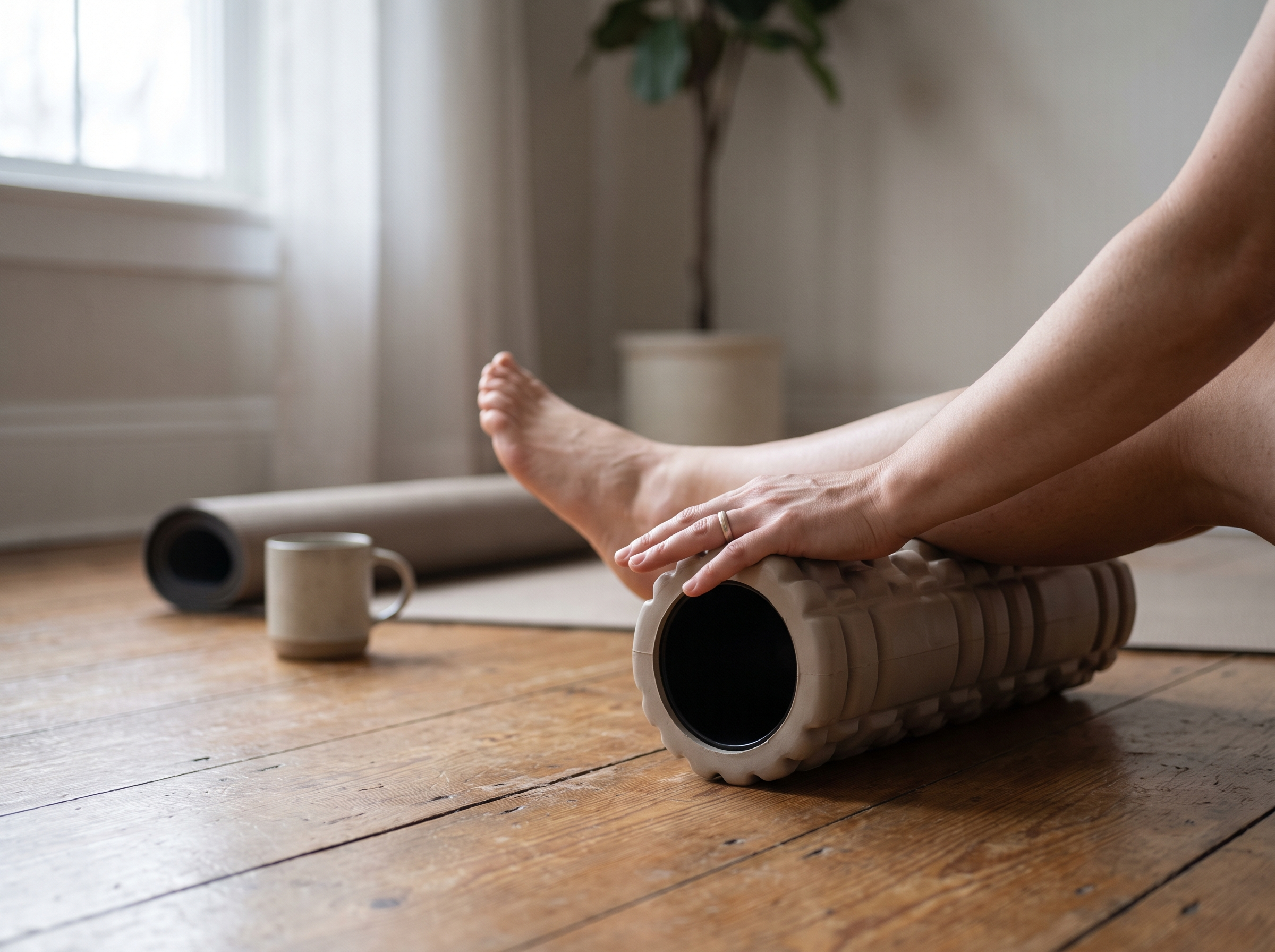
Muscles that are flexible and stretched regularly are less prone to cramps. Your calf muscles, in particular, benefit when you stretch and mobilize them specifically several times a week—for example, with the classic calf stretch against a wall or on a step. This also helps counteract the shortening caused by prolonged sitting. Consistency is key: Stretching just once right before exercise does little good, whereas a long-term flexibility program goes a long way. Combine it with gentle self-massage using a foam roller to release areas of muscle tension. This reduces the underlying tension in the muscles and makes them less prone to cramps—all without dietary supplements.
Cramps in Runners and Endurance Athletes
Runners, triathletes, and Hyrox athletes know all too well what it’s like to experience cramps during a race—usually toward the end, when the muscles are most fatigued. The best protection is training that realistically simulates the demands of competition: If you never practice the race distance or race pace, you’ll overtax your muscles on race day. A well-thought-out race pacing plan and an appropriate hydration and electrolyte strategy also help.
What about magnesium?
Magnesium is the most popular home remedy for cramps—but the scientific evidence is less conclusive than advertising suggests. To date, no convincing evidence has been found that magnesium is effective against exercise-related cramps. However, supplementation may be beneficial in cases of an actual deficiency or during pregnancy. In short: Magnesium is not harmful in normal doses, but it is no substitute for good training or adequate hydration. You can read more about this in our article on magnesium for muscles and recovery.
Recovery Tools for Tension and Cramps
Regular recovery reduces fatigue, which can lead to cramps. A few tools can help you with this: a foam roller for relaxing self-massage, a massage gun for targeted trigger points, and compression gear to boost blood flow after long workouts. You’ll find a selection of these items in our Recovery Collection. It’s also worth checking out our guides on stretching & flexibility and rehydration after exercise.
As an authorized retailer with a 30-day return policy and over 5,000 satisfied customers, we'll give you honest advice on which recovery tools are right for your workout routine.
When You Should See a Doctor for Cramps
The vast majority of muscle cramps are harmless and go away on their own. You should see a doctor if your cramps occur very frequently, are extremely painful, occur without any apparent trigger, are accompanied by swelling, numbness, or muscle weakness, or increase after you start taking a new medication. In such cases, there may be other underlying causes that require specific treatment.
Common Mistakes When Dealing with Muscle Cramps
- Don't rely solely on magnesium. If you ignore the root cause—which lies in your training and physical stress—you'll wonder why the supplements alone aren't making a difference.
- Too much, too fast. A sudden increase in duration or intensity is a classic trigger for cramps.
- Massage the cramp vigorously. For an acute cramp, gentle stretching is more effective than vigorous kneading.
- Forgot to drink. During long workouts in the heat, an electrolyte-rich drink is a must.
- Ignoring warning signs. Frequent, very painful, or unexplained cramps should be evaluated by a doctor.
Frequently Asked Questions
Why do I always get calf cramps when I exercise?
This is usually caused by neuromuscular fatigue: the calf is subjected to greater or longer exertion than it is used to. Gradually increasing the intensity of exercise, good physical conditioning, and staying well-hydrated noticeably reduce the frequency of this issue.
Does magnesium really help with cramps?
If there is a confirmed magnesium deficiency, then yes. However, the scientific evidence is weak when it comes to typical exercise-induced cramps that aren't caused by a deficiency. Magnesium is a useful supplement, but it is no substitute for proper training and staying well-hydrated.
What provides immediate relief from a cramp?
Gently stretch the affected muscle and hold the stretch for 20 to 30 seconds. For the calf, pull your toes toward your body while keeping your leg straight. Then gently massage the area and drink some water if needed.
Are nighttime calf cramps dangerous?
Occasional nighttime calf cramps are usually harmless. If they occur frequently, are very painful, or happen for no apparent reason, you should have them checked by a doctor, as they may be caused by medications or underlying medical conditions.
Can stretching before exercise prevent cramps?
Regular flexibility training can help reduce the likelihood of cramps. However, being in good physical condition and managing your exercise load wisely are more important than doing a single stretch right before exercise.
Conclusion
Muscle cramps during exercise are, in most cases, a sign of neuromuscular fatigue—not simply a lack of magnesium. In acute cases, gentle stretching provides the quickest relief; in the long term, the best protection comes from gradually increasing your workout intensity, maintaining good physical conditioning, staying well-hydrated, and taking recovery seriously. Magnesium is a useful supplement to this, but it does not replace these factors. Want to build up your recovery in a targeted way? Reach out to us —we’ll help you find the right recovery tools.
Note: This article is intended for general information purposes only and is not a substitute for medical advice. If you experience frequent, severe, or unexplained cramps, consult a doctor.